
Furnace Short-Cycling This Winter? Here's What's Actually Causing It
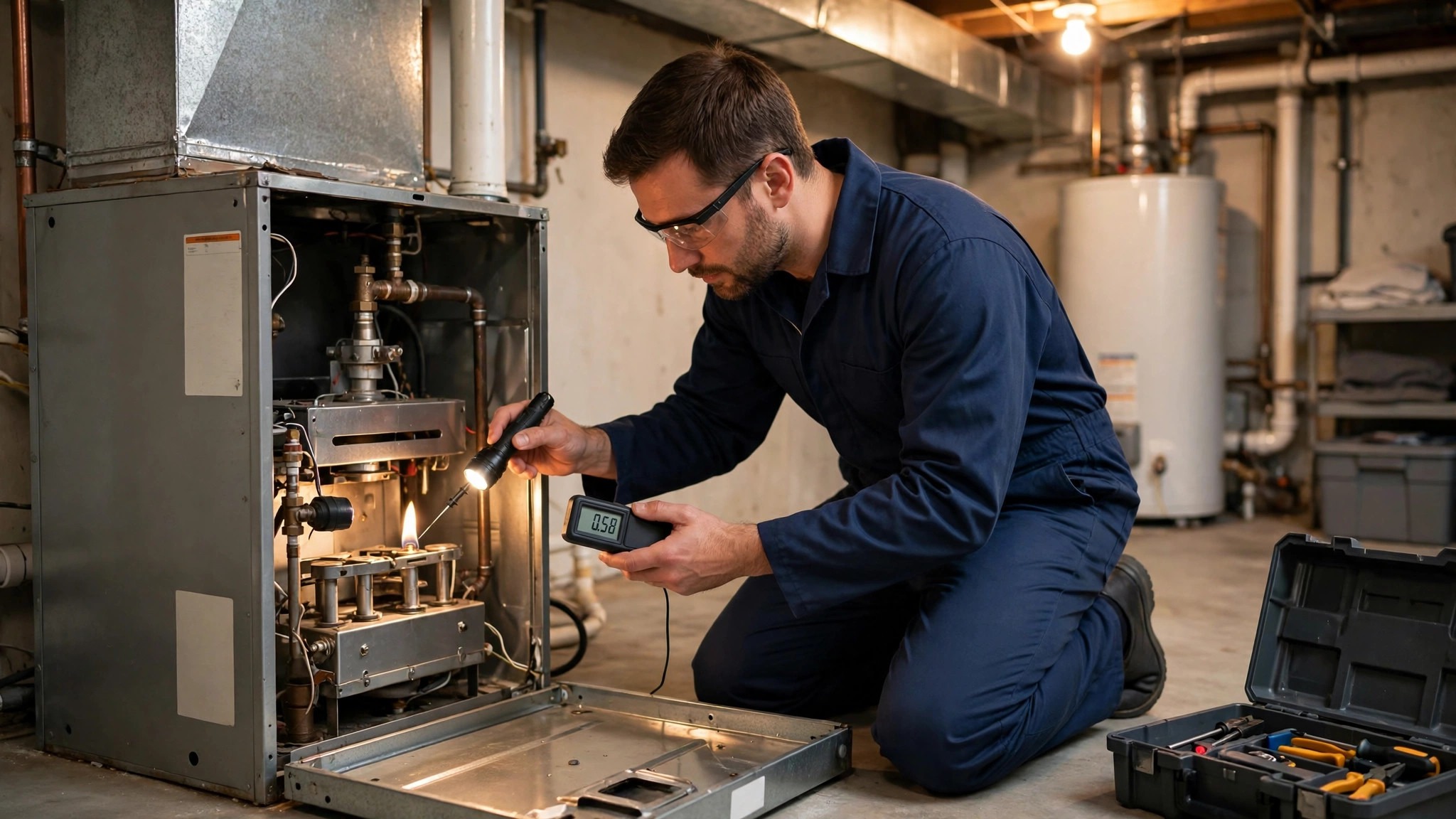
If your furnace is turning on, running for just a few minutes, then shutting off and starting right back up again, that's called short-cycling, and it's one of the most common calls we get once the heating season settles in. It's not just annoying — it wears out equipment faster, drives up your gas and electricity bills, and is sometimes a sign of something that needs attention right away. Here's what's usually behind it.
What "Short-Cycling" Actually Means
A healthy furnace runs a full heating cycle: it fires up, runs for a stretch until the house reaches the set temperature, then shuts off until the thermostat calls for heat again. Short-cycling means that cycle gets cut dramatically short, often down to just a few minutes, sometimes less, over and over. If you've started noticing your furnace clicking on and off far more often than it used to, that's the pattern to watch for.
The Most Common Causes We Find on Service Calls
A dirty or clogged air filter
This is the single most common cause, and the easiest to rule out. A clogged filter restricts airflow across the heat exchanger, which can cause it to overheat and trip a safety switch that shuts the furnace down early. If you can't remember the last time you changed yours, check it before anything else.
A furnace that's oversized for the home
A furnace that's too powerful for the square footage it's heating reaches the target temperature fast, shuts off, then has to fire up again almost immediately as the house cools. This is a sizing problem baked in from installation, and it usually shows up as short-cycling from day one rather than something that got worse over time.
A failing flame sensor or thermocouple
This small sensor confirms the burner flame is actually lit. When it starts to fail, it can misread the flame and shut the gas valve down as a safety precaution, even though the furnace is running fine otherwise. It's a cheap part, but it needs a technician to test and replace properly.
A cracked heat exchanger
This is the one we take most seriously. A cracked heat exchanger can cause the furnace to overheat and shut down repeatedly, and it's also a carbon monoxide safety concern, not just a comfort issue. If your furnace is older and short-cycling along with any burning smell or soot, treat it as urgent and get it looked at before running it again.
Thermostat placement or wiring issues
A thermostat mounted somewhere that doesn't reflect the rest of the house, near a sunny window, a heating vent, or a drafty wall, can call for heat and then satisfy that call much too quickly. Loose or miswired thermostat connections can cause similar on-and-off behaviour.
Why This Matters Beyond the Noise
Every start-up draws more power and puts more stress on components than steady running does. A furnace that's short-cycling isn't just inefficient, it's aging faster than it should, and small issues tend to turn into bigger repairs if the cause isn't addressed. As licensed, TSSA-certified technicians, this is exactly the kind of fault we test for with proper combustion analysis equipment rather than guesswork, since a couple of these causes involve gas safety and shouldn't be diagnosed by trial and error.
What You Can Safely Check Yourself
Check and, if needed, replace the air filter. Confirm the thermostat isn't in direct sun or blocked by furniture, and that its batteries are fresh if it's battery-powered. Beyond that, flame sensors, heat exchangers, and sizing issues all need a technician with the right tools to diagnose safely.
Get It Checked Before It Gets Worse
Short-cycling rarely fixes itself, and ignoring it usually means a bigger repair bill later, or a safety risk in the case of a cracked heat exchanger. Call 1-888-705-7368 for a free, no-pressure quote and we'll tell you exactly what's causing it. We serve the Greater Toronto Area, Hamilton, London, Kitchener-Waterloo, and Ottawa, with 24/7 emergency service when you need it.
Frequently Asked Questions
Is furnace short-cycling dangerous?
It can be, depending on the cause. A dirty filter or sizing issue isn't an immediate safety risk, but a cracked heat exchanger is a carbon monoxide concern and should be checked right away, especially if you notice any burning smell or soot.
Can I fix short-cycling myself?
Sometimes. A clogged filter or a poorly placed thermostat are both things a homeowner can check and often fix directly. Flame sensor, heat exchanger, and sizing problems need a licensed technician to diagnose and repair safely.
How much does it cost to fix a short-cycling furnace?
It depends entirely on the cause — a filter change costs almost nothing, while a flame sensor replacement or heat exchanger issue costs more. A proper diagnosis during a service call is the only way to know which situation you're in before agreeing to any repair.